How does a dealer pay off your trade-in loan?
Use a handoff checklist to document the old-loan payoff, follow up with your lender, and keep the trade-in paperwork organized.
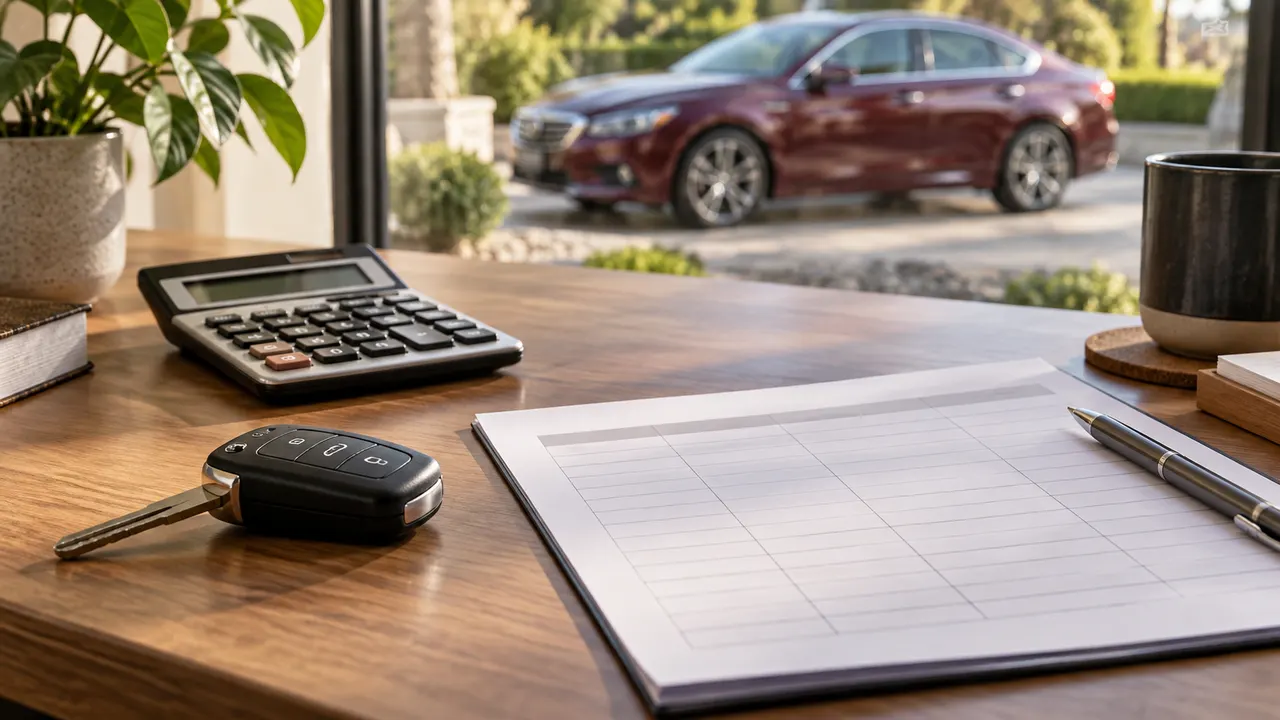
In a financed trade-in, the parties need an agreed process for settling the old loan. Do not treat handing over your keys as confirmation that the account is closed. Ask who sends the payoff, what amount they use, and how you will verify receipt with your lender.
This page covers the payoff handoff. For equity examples and the overall decision, read the financed trade-in guide.
Prepare a payoff record before signing
Create a private note with the following questions for your lender and dealer. Keep account information out of any public vehicle listing.
- What is the payoff amount for the planned payment date?
- When does the quote expire, and what happens if payment arrives later?
- What authorization does the dealer need from you?
- Who submits payment and who handles a difference in the final amount?
- How will the lender confirm payment and explain the lien-release process?
- What should you do about a scheduled payment while the transaction is processing?
Use lender contact information from an established account or statement. The purpose of this checklist is to record specific answers, not to assume every lender follows an identical process.
Keep the trade allowance and payoff separate
Consider an illustrative $20,000 trade allowance and $17,000 payoff. The difference is $3,000. Your paperwork should let you identify all three numbers without confusing the allowance with cash you receive.
If the allowance is $20,000 and the payoff is $23,000, the difference instead becomes a $3,000 shortfall. Read how to compare negative equity before deciding how it will be covered.
Make a follow-up log
Use one row for each event: date, person or department, promised action, expected completion, and confirmation received. For example, record the date the dealer says payment was sent separately from the date the lender confirms receipt. An expected date is not a completed event.
Keep the signed purchase documents and copies of correspondence together. If a question later arises about the quoted payoff or agreed responsibilities, those records are more useful than a recollection of a showroom conversation.
Confirm completion directly
The CFPB recommends contacting the old lender after one week to check that the loan was paid off. If it was not, contact the dealer and the relevant lender promptly. Ask your existing lender how to handle any payment due in the meantime; do not assume the trade automatically cancels your obligations or autopay.
Payoff confirmation and title or lien paperwork are different checkpoints. Ask what remains to be processed and who receives each document. There is no single nationwide completion time promised by this guide.
If the promised payoff does not appear
Send a concise written request listing the vehicle, transaction date, agreed payoff arrangement, and missing confirmation. Request the payment reference and an explanation of the delay. Share sensitive account details only through an appropriate private channel.
The CFPB's linked guidance describes complaint routes if reasonable efforts do not resolve an unpaid trade-in loan. Preserve your timeline and documents when seeking help.
Download our trade-in worksheet for the payoff follow-up fields. If you are arranging a standalone sale instead, use selling a financed car.