How to negotiate a used car price with a written comparison
Build an evidence-based offer, compare the full purchase cost, and keep the car price separate from financing and your trade-in.
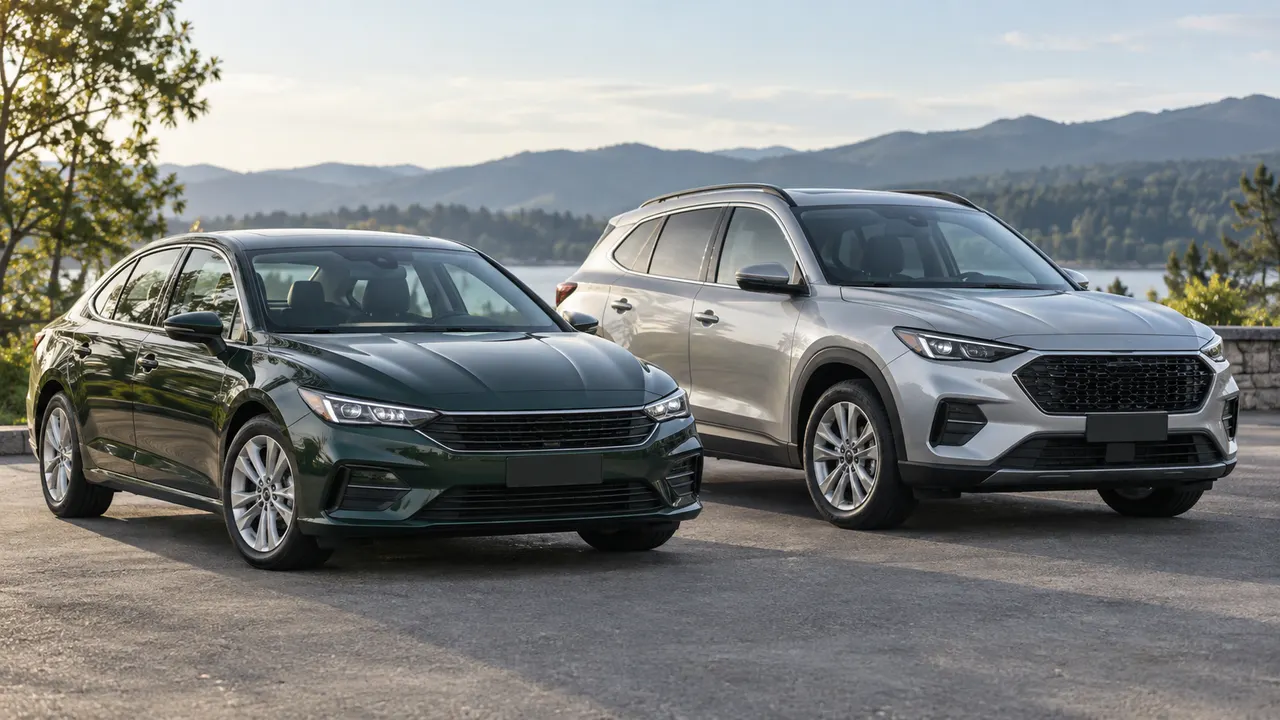
To negotiate a used car price, start with comparable vehicles and a written total price for the car you actually want. Make a specific offer supported by the car’s condition and the alternatives available to you. A lower monthly payment alone does not tell you whether the deal improved.
This guide gives you a comparison method and a message you can adapt. For the full shopping process, start with how to buy a used car.
Build a shortlist you can defend
Choose three or four real alternatives you would consider buying. Record the year, trim, mileage, title information, notable equipment, asking price, location, and any disclosed fees. A base trim with high mileage is not automatically a useful comparison for a lower-mileage car with different equipment.
Note when you checked each listing. An advertised price is not a completed-sale price, and a listing that has already sold is not necessarily an option you can buy today. Your comparison is evidence for a conversation, not proof that the seller must match a number.
Ask for the complete written price
The FTC recommends requesting an out-the-door price in writing before visiting. Ask which vehicle and VIN the quote covers, which charges are included, and whether any advertised reduction depends on financing, a trade, or another qualification.
Create a simple comparison with a row for each candidate:
- Vehicle price and VIN.
- Taxes and registration estimates for your transaction.
- Dealer fees and any optional products you chose.
- Delivery or travel costs you need to pay.
- Immediate repairs supported by an inspection estimate.
- Outstanding questions that could change the cost.
Different transactions can have different tax treatment. Use actual quotes rather than assuming the same percentage or a trade-in tax credit everywhere.
Compare two hypothetical offers
Suppose Car A is advertised at $21,500 and has $1,000 in disclosed dealer charges. Car B is $22,000 with $200 in disclosed dealer charges. Before taxes, registration, delivery, and other differences, the subtotals are $22,500 and $22,200.
The lower advertised price is $300 more expensive at that stage. This illustration does not establish the better vehicle; condition, equipment, and the remaining costs still matter. Its purpose is to keep an attractive headline price from ending the comparison too early.
Use inspection findings precisely
Request an independent inspection and a written explanation of issues. The FTC’s used-car guidance discusses inspections and using estimated repair costs in price negotiations.
Separate a safety concern from cosmetic wear you are willing to accept. Ask whether an issue will be repaired before handoff, reflected in the price, or left for you to handle. If a repair is promised, get its scope in writing. A discount does not establish that the car is safe or that a repair will cost exactly the estimate.
A negotiation message you can adapt
“Thank you for the written quote for this VIN. I’ve compared the mileage, equipment, and condition with the alternatives on my shortlist. My proposed vehicle price is $____. Please send the revised itemized total, including the products I specifically selected, and confirm any conditions attached to that price. I would also like the independent inspection completed before a final decision.”
Use a number you can explain. Avoid claiming another dealer made an offer if you only saw an advertisement. If the seller declines, decide whether the verified total and the vehicle still meet your needs.
Keep financing and trade-in numbers separate
A trade allowance, loan term, or cash down payment can change what a monthly payment looks like. Compare each element separately. The CFPB explains which purchase and loan terms may be negotiated.
Use our trade-in equity calculator if you owe money on your current vehicle. Before signing, reconcile the final contract with the written quote and resolve differences.
When is walking away reasonable?
Pause if you cannot verify the vehicle, the total is unclear, an inspection cannot be arranged, or the proposed terms exceed your budget. You do not need to manufacture a negotiation victory to justify buying a car, and a seller is not required to accept your offer.
Browse CarTruvo inventory or request a car within your budget. We will confirm any proposed price and transaction terms separately.