
How to junk a car: compare offers and finish the paperwork
Compare repair, private-sale, and recycling options, check pickup deductions, and document the ownership transfer before a car is hauled away.
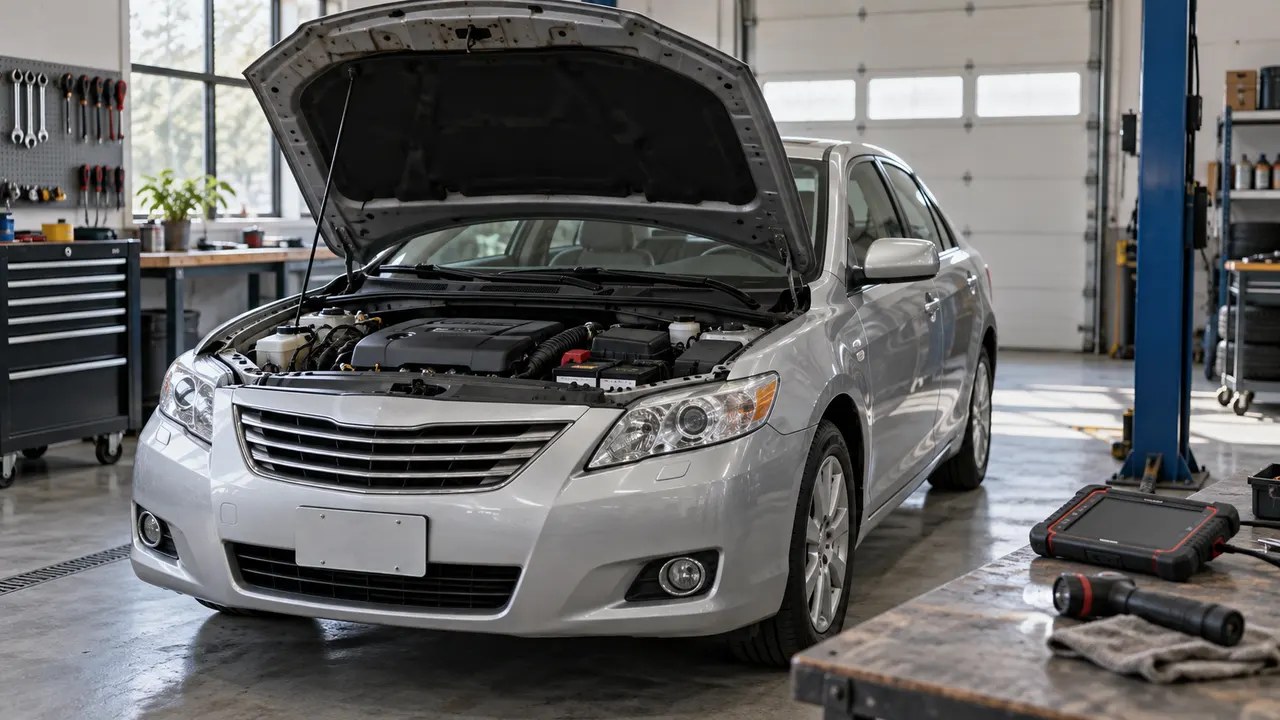
To junk a car, confirm your ownership paperwork, compare written offers from legitimate vehicle recyclers or dismantlers, agree on pickup and payment, and complete your state’s required transfer and reporting steps. Before committing, compare the net recycling offer with the realistic cost and effort of repairing or selling the vehicle as it is.
A car that does not run is not automatically worthless. A car that still runs is not automatically worth repairing. The useful question is what each available option leaves you with after costs, time, and unresolved ownership issues.
Decide whether recycling is the right route
Get a repair assessment if you do not know why the car stopped running. Separate a confirmed diagnosis from a guess. Compare the estimated work with the car’s realistic value in repaired condition, while allowing for uncertainty and the time you would spend arranging it.
A private sale of a repairable vehicle may be another option if permitted by the listing service and applicable rules. Describe known problems honestly and explain whether the vehicle must be transported. Do not advertise a nonrunning or unsafe car as ready to drive. Our private-sale versus trade-in guide helps frame the broader comparison.
Give each recycler the same information
- Year, make, model, VIN, and location.
- Whether the vehicle starts, runs, rolls, steers, and brakes.
- Known damage and major missing parts.
- Whether keys are available and tires can support loading.
- Title status, named owners, and any outstanding lien.
- Access constraints such as a locked garage or difficult driveway.
Ask for a written offer tied to those facts. Ask what could reduce the price at pickup and whether towing, loading, storage, or administrative charges are deducted. An advertised maximum payment is not a firm quote for your vehicle.
Compare the amount you actually receive
Suppose Buyer A offers $700 but deducts $150 for pickup. Buyer B offers $600 with pickup included. Assuming no other deductions, A leaves $550 and B leaves $600. This is a comparison example, not an estimate of junk-car prices.
Record the net amount, quote expiration, payment method, and pickup window together. If a price is conditional on inspection, ask which conditions matter and what happens if you decline a revised offer. Do not let a rushed pickup replace a clear agreement.
Verify the business and transfer requirements
Check the buyer’s business identity and any required license through the relevant state agency. Confirm which business will appear on the receipt and ownership documents, particularly if a separate towing company collects the car. Use contact information you verified independently to resolve a last-minute change.
State procedures differ. California’s DMV junking instructions require an application to record a vehicle as junk before an individual dismantles it. Consult the rules for your actual transaction, including whether you are selling to a licensed dismantler or handling the junking process yourself.
What if the title is missing or a loan remains?
Do not assume an advertisement saying “no title needed” resolves ownership requirements. Ask the state agency which documents apply to your vehicle and buyer. If a title replacement is necessary, use the official process. See our guide to selling without a title before arranging pickup.
If a lender has a lien, obtain its instructions. A low vehicle value does not eliminate the remaining debt or give you authority to ignore the lien. Resolve the payoff or other permitted arrangement before transferring the car.
Prepare for pickup and keep a record
Remove belongings, toll tags, stored personal information, and accessories you have agreed to retain. Follow your state’s plate instructions. Avoid removing parts after accepting a quote based on a complete vehicle without first agreeing on the change.
Keep a receipt identifying the vehicle, buyer, date, price, and agreed deductions. Retain copies of completed transfer documents and any required seller reporting confirmation. Coordinate insurance changes with your insurer once you know the handoff and reporting requirements. Do not rely only on the tow truck leaving as proof that the ownership record has been handled.
What if selling it privately looks more worthwhile?
Compare the additional proceeds with inspection, advertising, transport coordination, and your time. Read our step-by-step car-selling guide if a private sale fits the vehicle. You can review CarTruvo’s marketplace terms and prepare a listing for an eligible car. CarTruvo does not promise a recycling offer, free towing, or a buyer for every condition.