
What do I need to sell my car? A seller’s checklist
Prepare your title, payoff information, sale paperwork, vehicle records, and handoff plan before selling your car privately.
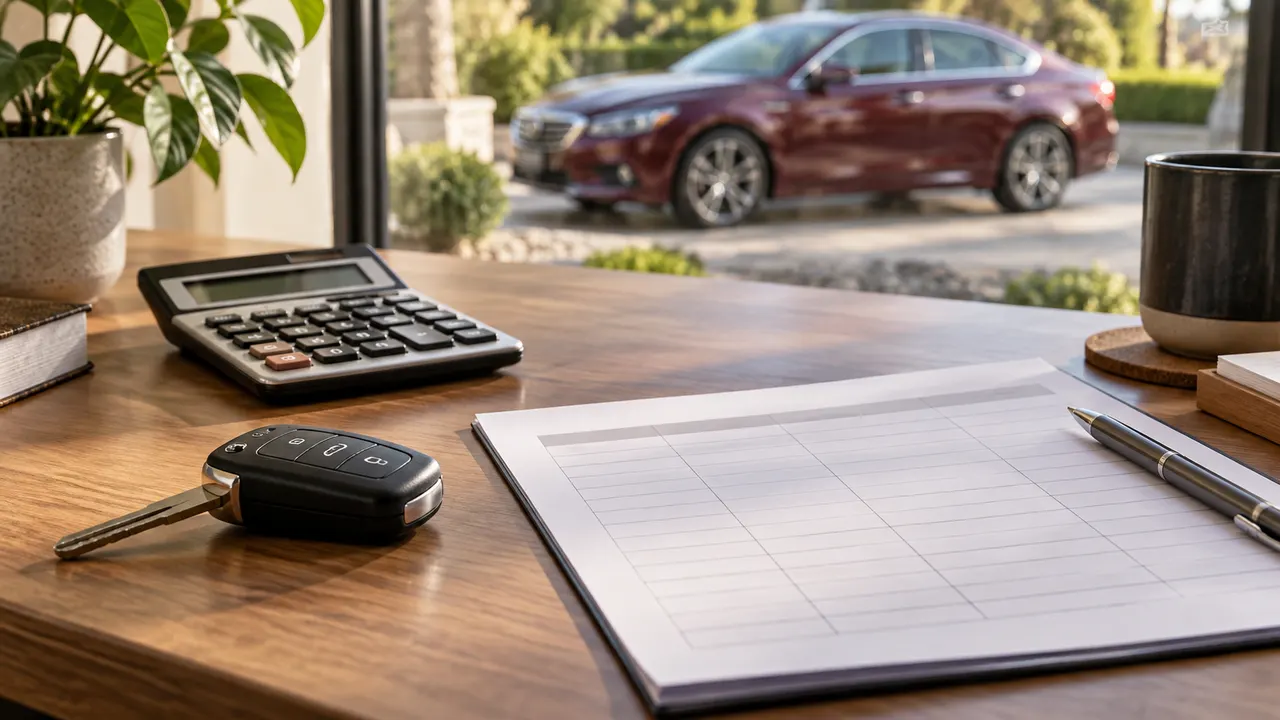
To sell your car, start with proof that you can transfer ownership, accurate vehicle details, and a plan for payment and handoff. Depending on your state and vehicle, you may also need a lien release, odometer disclosure, inspection or emissions document, bill of sale, and seller notice. Check your state motor vehicle agency before arranging the closing.
This checklist focuses on getting ready for the transaction. For pricing, photography, and finding a buyer, start with our complete guide to selling a car.
Gather the ownership documents first
Locate the title or confirm the process for an electronic title. Match the VIN on the vehicle to the ownership record and check whose names appear as owners. Resolve a missing title, an incorrect name, or a lien before promising an immediate handoff. If another owner must sign, plan for that person to participate.
The Illinois Secretary of State’s title FAQ says an individual selling to another individual needs a title assigned to the buyer. That is an Illinois example, not a universal form or process for every state. Our missing-title guide explains how to investigate a replacement rather than improvising paperwork.
If you have a loan, get a current payoff quote
Ask the lender for the payoff amount, its expiration date, acceptable payment method, and title-release instructions. Also ask how a private buyer can participate in the closing. Your account balance and a dated payoff quote may differ.
Write down who pays the lender, who pays any shortfall, and when ownership documents will become available. Do not promise that a buyer can drive away with a released title the same day unless the lender confirms the process. See selling a car with a loan for the full sequence.
Build a sale-day folder
- Ownership documents and any required lien-release information.
- Identification needed for the transfer, kept private until the appropriate verification step.
- Buyer and seller information required by the official forms.
- The agreed price, VIN, sale date, and any written conditions.
- Required odometer disclosure and any applicable inspection or emissions records.
- A bill of sale and copies for both parties where appropriate.
- State-specific seller notice, plate, and registration instructions.
Use our bill of sale template guide to organize the transaction details. A generic bill of sale does not replace a title or any required state form. Complete required fields carefully rather than signing a blank document for someone else to finish later.
Separate helpful records from required paperwork
Maintenance invoices, repair estimates, a spare key, manuals, and warranty documents can help buyers assess the car. They are different from the documents required to transfer ownership. Describe what you actually have, and ask the provider whether any service contract or protection plan can transfer.
Remove unrelated personal information from copies of service records before sharing them. Do not publish your driver’s license, title signatures, lender account details, or home documents in listing photos. A clear description of records available for review is more useful than exposing the originals online.
Agree on payment before the meeting
Ask your bank how to verify the proposed payment and when it is appropriate to release the vehicle. Save written terms identifying the car and price. A screenshot saying money was sent is not your bank’s confirmation.
The FTC warns car sellers about fake checks and overpayment requests. Funds can appear in an account before a fake check is discovered. Do not refund an alleged overpayment or send part of a buyer’s check to a transporter.
Finish the after-sale tasks
Check the seller’s reporting deadline and plate instructions before delivery. For example, California requires a transfer notice within five days. Other states have their own process. Keep confirmation of any filing with your sale records, and coordinate insurance changes with your insurer.
Remove personal belongings, toll tags, garage remotes, and saved personal data from the vehicle. Follow the manufacturer’s instructions to disconnect your connected-car account and clear stored destinations. Record what keys and accessories the buyer receives.
Can I list the car before everything is ready?
You can prepare the description and photos while gathering records, but be accurate about ownership, liens, and availability. Do not describe a car as ready for immediate transfer when paperwork is unresolved. Once you can explain the sale process clearly, create your CarTruvo account and prepare a listing.